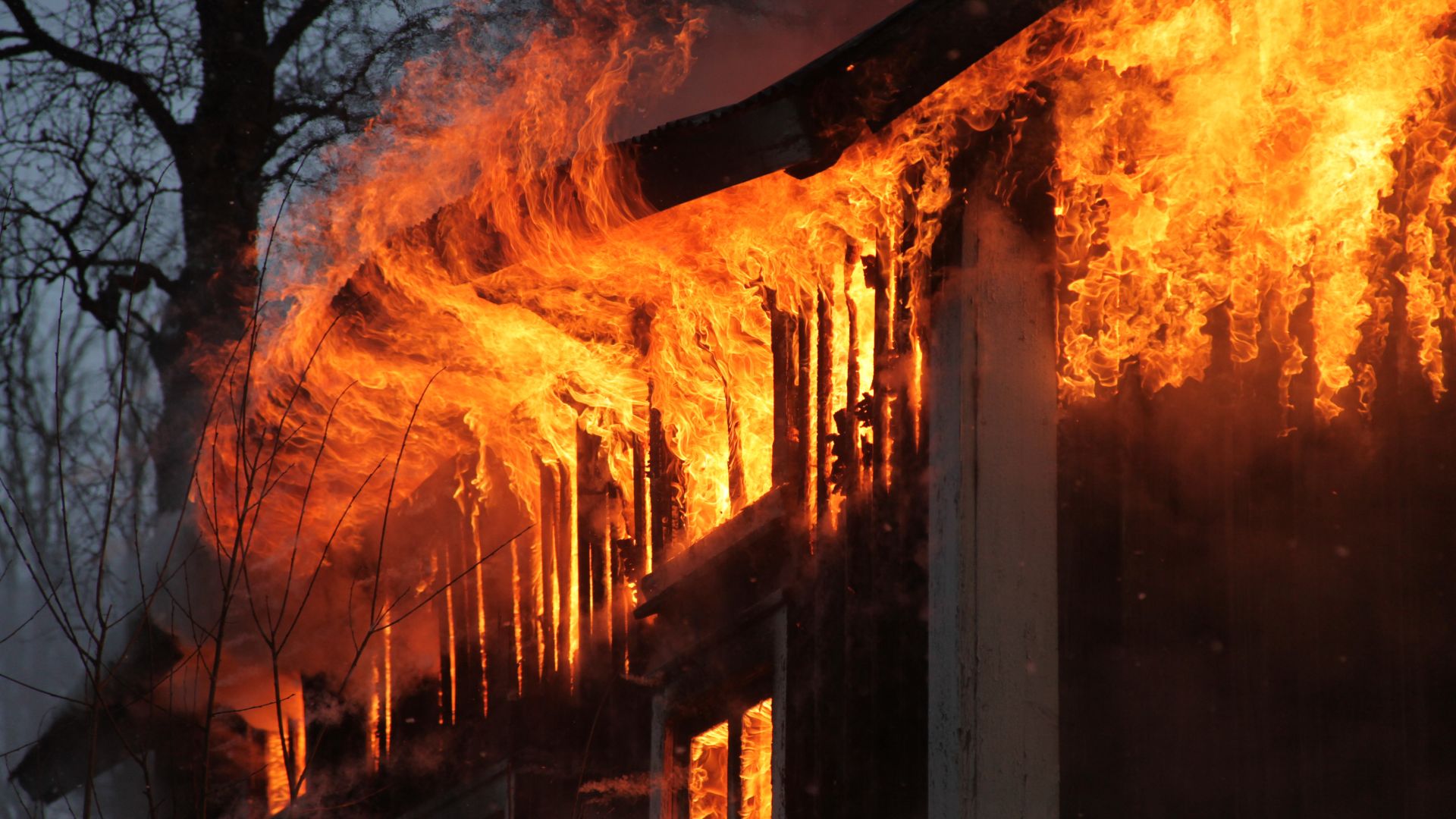
Fire damage can be overwhelming. One moment, everything feels normal, and the next, you are facing charred materials, smoke odors, soot-covered surfaces, and damage that can affect far more of your home than you first realize.
When a fire tears through your home or commercial space, everything changes in a matter of minutes. Once the fire department leaves and the flames are out, most property owners stand in shock, staring at the aftermath and asking the same question: What happens next?
The fire damage restoration process is not just about cleaning up debris. It is about stabilizing the structure, addressing water damage from firefighting efforts, removing smoke and soot, repairing what can be saved, and carefully rebuilding what cannot. If you own a property in Charlotte, NC, understanding this process can help you make smart decisions during an incredibly stressful time.
Here is what really happens during professional fire damage restoration and what you can expect every step of the way.
The First Phase: Emergency Response and Safety
The restoration process begins only after the fire department confirms the structure is safe to enter. Firefighters do their job to stop the flames, often using large volumes of Water, fire extinguishers, and heavy equipment. That is where the Emergency phase ends and the restoration phase of fire damage begins.
At this point, the property may have:
- Structural damage to the Roof, Wall, Ceiling, or Flooring
- Standing water and severe Moisture in multiple rooms
- Loose Debris and hazardous materials
- Exposed Plumbing, duct systems, or electrical components
- A strong Odor from Smoke
Before any cleanup and restoration work starts, the restoration team conducts a thorough inspection. This damage assessment is critical. Professionals assess damage to determine the extent of the fire, the extent of the damage from smoke, and the water damage caused during firefighting.
If there is a risk of collapse or exposure to hazardous materials such as Asbestos in older building materials, environmental remediation protocols may be required. Safety always comes first.
Securing and Stabilizing the Property
One of the most important early steps in the fire restoration process is preventing additional harm.
This can include:
- Boarding up broken windows and doors
- Installing a tarpaulin over a damaged Roof
- Removing unstable Debris
- Shutting off electricity, gas, and plumbing if needed
The goal is simple: prevent further damage. The longer a structure remains open to the elements, the more moisture, contamination, and structural damage can develop.
This is especially important in Charlotte, NC, where humidity can make drying more complicated and increase the risk of mold or indoor mold growth in fire and smoke-damaged personal spaces.
Water Removal and Drying After Firefighting
Many property owners are surprised to learn that water damage can be just as destructive as the fire itself. Water from firefighting efforts often soaks into wood framing, drywall, carpet, flooring, and insulation.
If standing water or remaining water is not addressed quickly, it can lead to:
- Wood rot
- Mold growth
- Deterioration of building material
- Odor issues
- Indoor mold contamination
Water removal and water extraction come next. Restoration professionals use commercial-grade vacuum systems, pumps, and dehumidifier units to remove moisture from the affected area. Air movers and specialized drying equipment help stabilize the structure.
This stage may overlap with water damage restoration procedures. In fact, water damage from firefighting efforts can require its own coordinated water damage restoration plan as part of the broader restoration project.
Smoke and Soot – The Hidden Damage
Fire and smoke leave behind more than charred materials. Smoke damage often spreads far beyond the visible burn marks.
Smoke and soot particles travel through open space, into heating, ventilation, and air conditioning systems, through duct (flow) systems, and into hidden cavities behind drywall and inside wall assemblies.
Soot damage can:
- Stain paint and surfaces
- Corroded metal fixtures
- Damage Furniture and electronics
- Leave stubborn smoke odors
Soot removal and soot cleanup are delicate processes. Improper cleaning agents can actually smear residue or make stains worse. Restoration professionals use HEPA filtration systems, Antimicrobial solutions, and specialty chemical substance treatments designed specifically for fire damage cleanup.
Smoke removal and efforts to remove smoke odors require more than just air fresheners.
Depending on the situation, professionals may use Ozone treatments, thermal fogging, air scrubbers, and deep cleaning of carpet and upholstery. Lingering smoke and lingering smoke odors can persist for months if not handled correctly.
Complete smoke and fire damage removal includes treating smoke-damaged personal items and fire and smoke-damaged personal belongings such as clothing, documents, and electronics.
Demolition and Damage Removal
Once the assessment of the damage is complete, the next step of the process often involves selective Demolition.
Not every burned material can be saved. Professional restoration of fire-damaged structures may require the removal of:
- Severely burned Drywall
- Compromised Ceiling assemblies
- Charred Wood framing
- Damaged Flooring
This damage removal phase must be controlled and strategic. The goal is to preserve as much of the structure as possible while eliminating contamination and instability.
The extent of fire damage repairs depends on the extent of damage. Minor fire damage may only require surface cleaning and Painting. Extensive fire and smoke damage may require partial reconstruction.
Experienced restoration teams follow industry standards such as the s740 standard for professional restoration, which outlines best practices for restoration of fire and smoke-affected properties.
Cleaning and Environmental Remediation
The cleanup process is more detailed than many people realize. Fire damage restoration services include thorough damage cleanup and environmental remediation to ensure the property is safe for occupancy.
This stage typically includes:
- Deep cleaning of all salvageable surfaces
- HEPA vacuuming
- Antimicrobial treatment
- Odor elimination
- Cleaning of duct systems and HVAC components
Contamination from smoke and soot can pose a health risk. Microscopic particles may linger in the air and settle on surfaces. Professional fire damage restoration ensures these hazards are removed properly.
In some commercial kitchens, fires related to a kitchen stove, oven, microwave oven, or stove can leave heavy grease deposits combined with soot. This requires specialized fire cleanup and appropriate cleaning agents to eliminate residue safely.
Repair and Reconstruction
After stabilization, drying, soot removal, and cleaning, true reconstruction begins.
Damage repair may involve:
- Replacing drywall and insulation
- Installing new flooring
- Painting walls and ceilings
- Rebuilding structural components
- Restoring plumbing and HVAC systems
- Replacing carpets and cabinetry
Some cases involve repairing structural damage to framing or load-bearing elements. In others, the damage caused is cosmetic but widespread.
This is where working with a general contractor who understands both construction and restoration work becomes crucial. Fire restoration is not just patchwork. It is a full-scope construction that must meet current building codes and safety standards established by organizations such as the National Fire Protection Association.
For property owners in Charlotte, NC, choosing a fire damage restoration company with integrated design and construction experience can make the recovery process smoother.
Working With Your Insurance Company
The insurance side of fire damage can feel just as stressful as the physical cleanup. Knowing the usual steps can help property owners feel more prepared and avoid unnecessary delays.
A fire damage insurance claim often includes:
Claim reporting
- The property owner notifies the insurance carrier
- Basic details about the fire are provided
- The carrier opens a claim and explains the next steps
Inspection and review
- An adjuster may inspect the property
- The extent of fire, smoke, soot, and water damage is reviewed
- The carrier evaluates what may be covered under the policy
Documentation
- Photos, videos, inventories, and notes are collected
- Emergency mitigation work may also be documented
- Estimates for cleanup, remediation, and reconstruction may be prepared
Scope and approval
- The restoration contractor and insurer may compare findings
- A repair scope is developed
- Approved work moves forward based on the coverage review
Restoration and rebuilding
- Emergency mitigation may begin right away to prevent more damage
- Reconstruction follows once the scope is finalized
- Ongoing communication helps keep the project moving
Not every policy handles every type of loss the same way, so homeowners should review their own coverage and speak with their insurance provider for policy-specific guidance.
What to Expect During the Fire Damage Recovery Process
People often ask what to expect during the fire damage phase of recovery. In truth, every disaster is different. The extent of fire, building materials, and speed of response all play roles.
In general, you can expect:
- Initial emergency stabilization
- Water extraction and drying
- Soot cleanup and smoke removal
- Selective demolition and damage repairs
- Cleaning and environmental remediation
- Reconstruction and final painting
The process from start to finish may take weeks or months, depending on the extent of fire and damage, and the complexity of the cleanup process.
Throughout this time, clear communication matters. Restoration companies should provide regular updates so you understand the status of the restoration project.
Choosing the Right Fire Restoration Partner in Charlotte, NC
Not all restoration companies approach projects the same way. Some focus only on cleanup.
Others handle cleanup and reconstruction separately, which can create delays.
A truly experienced restoration partner understands that damage restoration involves coordination between inspection, demolition, drying, environmental remediation, and skilled construction.
Oak & Iron Construction Group offers comprehensive construction and renovation services that include fire damage restoration services and high-end reconstruction. As a fire damage restoration company serving Charlotte, NC, their restoration professionals combine technical knowledge with craftsmanship.
Instead of treating your property like another job site, they approach each home after a fire as a long-term investment in safety, durability, and beauty. Their integrated team model allows for professional restoration and seamless rebuilding under one roof.
You can learn more about our construction team and see how this unified approach supports professional restoration of fire-damaged homes and commercial spaces.
If you are navigating the aftermath of fire and smoke, you can also view our recent construction projects to see how restoration and rebuilding come together.
How Oak & Iron Construction Group Helps With Fire Damage Restoration and Repairs
After a fire, property owners need more than cleanup. Oak & Iron helps manage the process from emergency mitigation to final reconstruction with insurance coordination and a dedicated project concierge.
Oak & Iron can be positioned in the article as helping clients by:
Supporting the insurance-related process
- Helping organize documentation tied to the restoration scope
- Communicating clearly during a stressful recovery
- Working alongside insurance stakeholders as repairs move forward
Managing both remediation and reconstruction
- Addressing smoke, soot, water, and structural fire damage
- Moving the project from cleanup to repairs and rebuilding
- Reducing handoff issues between separate vendors
Providing a more guided experience
- Offering a dedicated point of contact through the Project Concierge model
- Helping homeowners stay informed throughout the project
- Keeping the process more organized from start to finish
Focusing on lasting restoration
- Restoring safety and structural integrity
- Rebuilding damaged living or working spaces
- Delivering finished results with craftsmanship and attention to detail
Fire Damage Restoration in Charlotte, NC – Why Local Experience Matters
Fire behavior varies depending on building style, materials, and even seasonal humidity.
Professional restoration in Charlotte, NC, requires understanding local construction practices and environmental conditions.
Whether the cause was cooking, an electrical malfunction, or a heating system failure, restoration of fire and smoke damage must address both visible damage and hidden risk.
Having a team that understands both design-build construction and disaster recovery provides consistency throughout the entire restoration work process.
For tailored guidance and support, you can schedule your construction consultation and discuss your unique situation directly.
Conclusion
The fire damage restoration process is complex, but it is not chaotic when handled by the right team.
From water removal and soot removal to full reconstruction, each step is designed to stabilize, clean, and carefully rebuild your property. If you are facing recovery in Charlotte, NC, partner with experienced restoration professionals who understand both emergency response and lasting construction quality. Reach out to Oak & Iron Construction Group. for thoughtful guidance, transparent communication, and restoration work built with integrity.